Nepal Engineering College
Affiliated to Pokhara University
Affiliated to Pokhara University
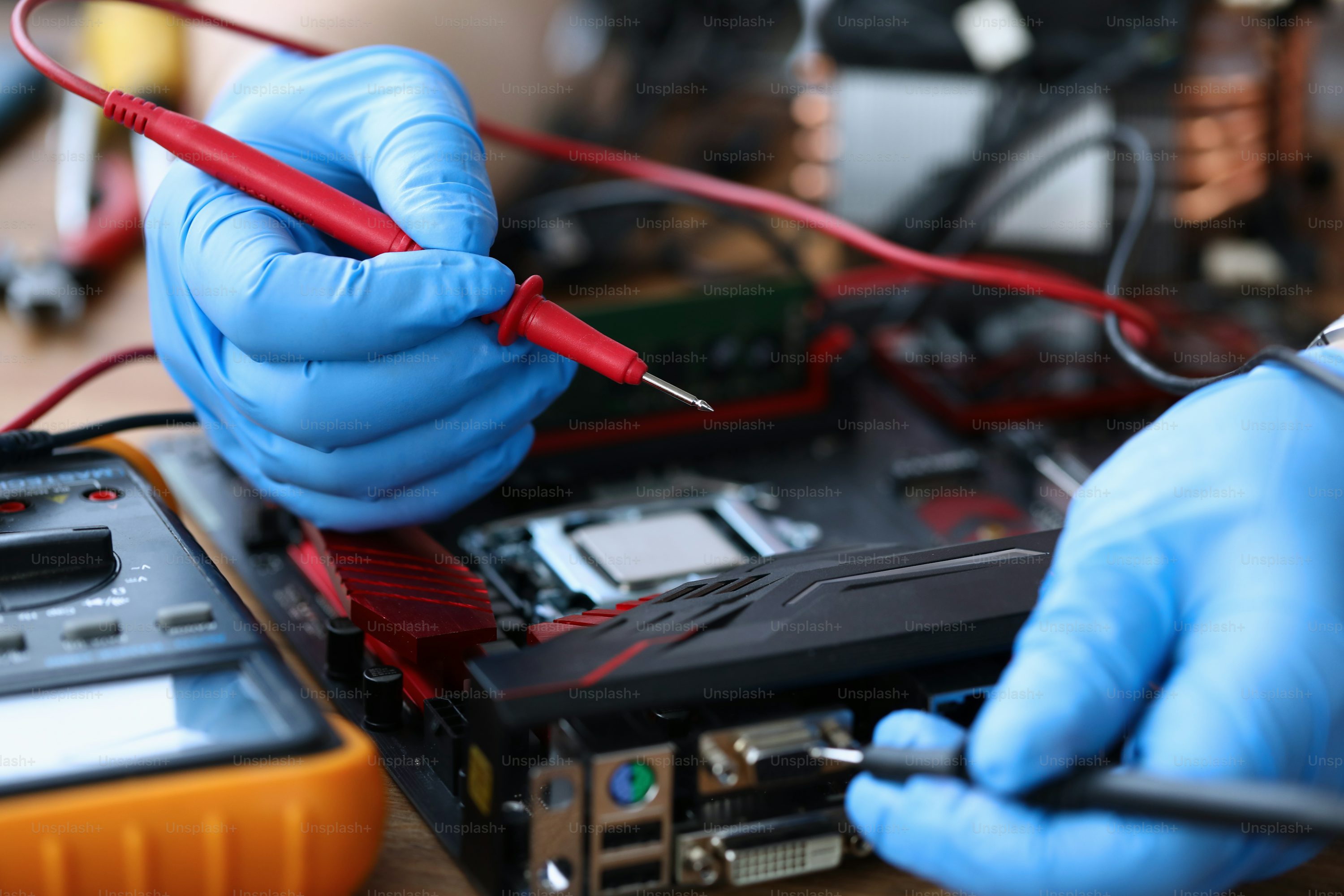
Electrical and Electronics Engineering (EEE) focuses on the generation, transmission, and utilization of electrical energy. At nec, students gain expertise in power systems, control systems, renewable energy, high-voltage engineering, and embedded systems—equipping them to modernize Nepal’s power infrastructure and rural electrification.
While Electronics and Communication Engineering emphasizes communication systems, EEE focuses on power systems and electrical infrastructure. Students learn about power generation, electrical machines, smart grids, high-voltage systems, and control automation—blending traditional electrical knowledge with modern energy technologies.
Nepal Engineering College started this program in 2006 A.D. to address Nepal’s growing demand for qualified electrical engineers. The department blends strong theory with practical labs, internships, and research focused on smart grids and renewable energy.
Contact: